
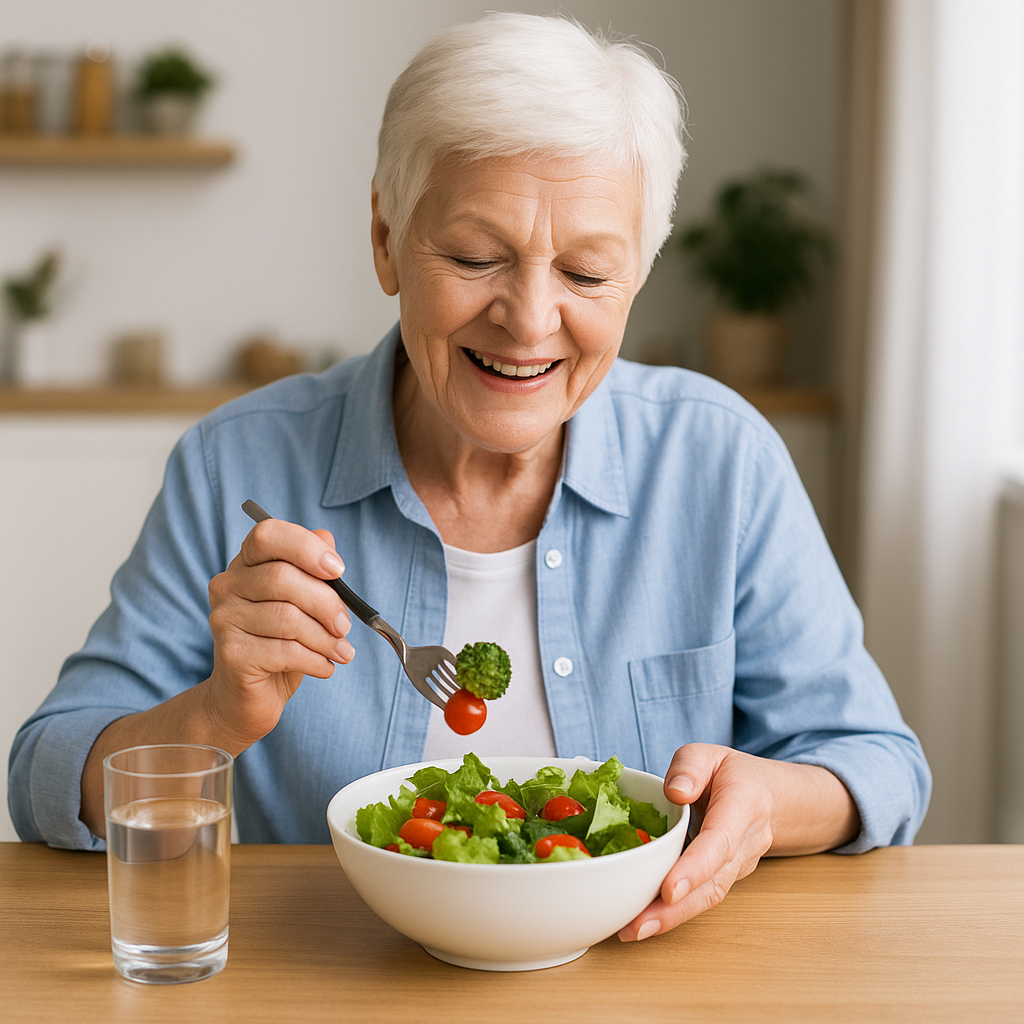
Smart Nutrition for Seniors: Eating Well for a Healthier, Happier Life
As we age, our nutritional needs change, but the importance of a healthy diet only grows. Good nutrition helps older adults maintain energy, manage chronic conditions, support brain health, and stay independent longer. Whether you’re cooking for yourself or helping a loved one, these tips can make healthy eating easier and more enjoyable.
Why Nutrition Matters More with Age
Older adults often need fewer calories but more of certain nutrients like calcium, vitamin D, B12, and potassium. At the same time, appetite, taste, and digestion can change, making it harder to get the nutrition the body needs. That’s why it’s essential to focus on nutrient-dense foods and smart eating habits.
Top Nutrition Tips for Seniors
- Build a Balanced Plate
Use the USDA’s MyPlate for Older Adults as a guide:
- Half your plate: colorful fruits and vegetables.
- One-quarter: whole grains like brown rice or whole wheat pasta.
- One-quarter: lean proteins such as fish, poultry, beans, or tofu.
- Add a serving of low-fat dairy or a fortified alternative.
- Focus on Key Nutrients
- Calcium & Vitamin D: for bone health (found in dairy, leafy greens, fortified cereals).
- Vitamin B12: supports nerve and blood cell health (found in meat, eggs, and fortified foods).
- Potassium: helps manage blood pressure (found in bananas, potatoes, and beans).
- Fiber: supports digestion and heart health (found in whole grains, fruits, and vegetables).
- Stay Hydrated
- Drink water regularly—even if you don’t feel thirsty.
- Limit sugary drinks and alcohol.
- Include hydrating foods like cucumbers, melons, and soups.
- Limit Sodium, Sugar, and Saturated Fats
- Choose fresh or frozen foods over processed ones.
- Use herbs, spices, and citrus instead of salt for flavor.
- Read nutrition labels to avoid hidden sugars and fats.
- Make Meals Enjoyable
- Eat with friends or family when possible.
- Try new recipes or seasonings to keep meals interesting.
- If cooking is difficult, look for healthy frozen meals or meal delivery services.
- If digestion is a concern, try softer foods like soups, smoothies, or steamed vegetables that are easier to chew and digest.
- Plan Ahead
- Keep healthy snacks on hand like nuts, yogurt, or fruit.
- Prepare meals in batches and freeze portions for later.
- Use grocery delivery or senior food programs like SNAP if needed. Silver Angels may also be able to connect you with local meal assistance or senior nutrition resources.
Final Thoughts
Eating well doesn’t have to be complicated. With a few thoughtful choices, seniors can enjoy meals that are both delicious and nourishing. Good nutrition is one of the best ways to support healthy aging—body, mind, and spirit. If changes in appetite, dental issues, or medication side effects are affecting eating habits, talk with a healthcare provider or dietitian for support.
Silver Angels in-home caregivers can assist with Meal Preparation and grocery pick-up and our Home Delivered Meals Program (TN only) makes mealtimes easy and nutritious!
Silver Angels is a licensed, non-medical home care agency that helps individuals remain safe, independent, and comfortable in their own homes. Please call Silver Angels at 833-564-6773 and choose Ext 5 to discuss our services or visit www.SilverAngels.com for more information.